

How To Make Money With 1000 Dollars
How to Invest 1000 Dollars: 7 NEW Strategies (2021)
-
by Fiona Smith
- Updated October 7, 2021
Disclaimer: This post may contain affiliate links. Please read my disclosure for more information.

If you have a spare $1000 and want to know how to best invest it, then this blog post will help you do just that.
The most important trick to optimizing your $1000 is to have a game plan ready.
Without a game plan, chances are, you'll spend the money in a few days.
In fact, about 70% of individuals who do come into sudden money spend everything – and more – going broke within the next few years.
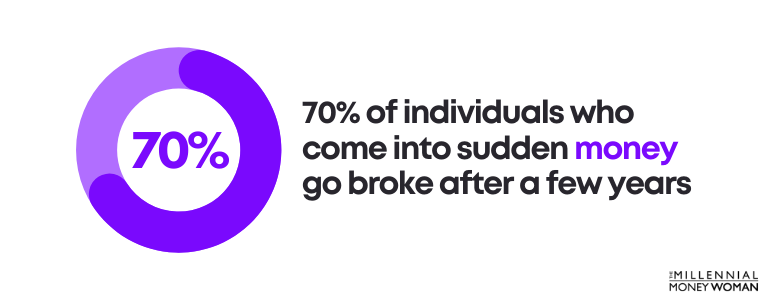
The irony is that money can leave you broke – if you don't have the right game plan.
So, if you've been wondering how to invest 1000 dollars with a solid plan of action, you've come to the right place.
Let's dive right in.
7 Best Ways to Invest $1000
Before I dive into the details, it's important to remember that the strategies I'm about to share with you are just a few strategies that you can use to optimize your $1000.
There are many other ways to invest your $1000, and I've simply listed the top 7 that I have personally used in the past.
Let's figure out which of these strategies works best for you.
1. Pay off High-Interest Debt
| Quick Overview | |||||||||||||||||||||||||||||||||||||||||||||||||||||||||||||||||||||||||||||||||||||||||||||||||||
|---|---|---|---|---|---|---|---|---|---|---|---|---|---|---|---|---|---|---|---|---|---|---|---|---|---|---|---|---|---|---|---|---|---|---|---|---|---|---|---|---|---|---|---|---|---|---|---|---|---|---|---|---|---|---|---|---|---|---|---|---|---|---|---|---|---|---|---|---|---|---|---|---|---|---|---|---|---|---|---|---|---|---|---|---|---|---|---|---|---|---|---|---|---|---|---|---|---|---|---|
| Risk Level | 1/10 | ||||||||||||||||||||||||||||||||||||||||||||||||||||||||||||||||||||||||||||||||||||||||||||||||||
| Who Should Do It | If you have high-interest debt (typically 10% or more) | ||||||||||||||||||||||||||||||||||||||||||||||||||||||||||||||||||||||||||||||||||||||||||||||||||
| Why It Makes Sense | You save money because you don't pay high-interest rates anymore | ||||||||||||||||||||||||||||||||||||||||||||||||||||||||||||||||||||||||||||||||||||||||||||||||||
| How to Start |
| ||||||||||||||||||||||||||||||||||||||||||||||||||||||||||||||||||||||||||||||||||||||||||||||||||
| Recommended Resource | If you still have debt leftover, then consider consolidating your debt with LendingTree . | ||||||||||||||||||||||||||||||||||||||||||||||||||||||||||||||||||||||||||||||||||||||||||||||||||
Before you even think about investing your $1000, the first thing you should do is think about the debts you owe.
Remember, there are 2 main types of debt: Bad debt and smart debt.
| Bad Debt | Smart Debt |
|---|---|
| High-interest debt (typically 10% or more) Debt used for depreciating assets (like cars) | Low-interest debt Debt used for appreciating assets (like a mortgage) |
If you find that you carry high-interest debt, like credit card debt, then your first thought should be "how can Iget out of debt fast?"
As a quick refresher, I've listed the differences between the 2 methods below:
| Snowball Method | Avalanche Method |
|---|---|
| Pay off the lowest balance first | Pay off the highest interest rate first |
Financially speaking, it makes more sense to pursue the avalanche method, because you'll save more money paying off the debt with the highest interest rate first.
However, the snowball method may be better if you need to get motivated… seeing small debts paid off is a huge motivator, and that can get the ball rolling for many.
What if you still have debt leftover?
If you find that there's still a chunk of high-interest debt leftover after making your $1000 payment toward that debt, it's time to think about a few other options – like debt consolidation.
Here's roughly how debt consolidation works:

As you can see, debt consolidation is a way of combining all of your debts into 1 basket and then making just 1 payment.
It's a way to simplify things for you.
One tool that can help you consolidate your debt is LendingTree.
LendingTree is like a matchmaker marketplace.
They try to match the best debt consolidation options to your financial situation.
Personally, I would make it my mission to find a way to get out of debt first before you pursue anything else.

The Bottom Line:
Before you even consider investing your $1000, first you want to make sure you have no high-interest debt (which typically is debt with interest rates of more than 10%). If you do have high-interest debt, then the first thing you should consider is using your $1000 to pay off that debt.
2. Increase your Emergency Savings Fund
| Quick Overview | |||||||||||||||||||||||||||||||||||||||||||||||||||||||||||||||||||||||||||||||||||||||||||||||||||
|---|---|---|---|---|---|---|---|---|---|---|---|---|---|---|---|---|---|---|---|---|---|---|---|---|---|---|---|---|---|---|---|---|---|---|---|---|---|---|---|---|---|---|---|---|---|---|---|---|---|---|---|---|---|---|---|---|---|---|---|---|---|---|---|---|---|---|---|---|---|---|---|---|---|---|---|---|---|---|---|---|---|---|---|---|---|---|---|---|---|---|---|---|---|---|---|---|---|---|---|
| Risk Level | 1/10 | ||||||||||||||||||||||||||||||||||||||||||||||||||||||||||||||||||||||||||||||||||||||||||||||||||
| Who Should Do It | Anyone who doesn't have an emergency savings fund yet | ||||||||||||||||||||||||||||||||||||||||||||||||||||||||||||||||||||||||||||||||||||||||||||||||||
| Why It Makes Sense | You have cash in case you need it, so you don't have to take on high-interest debt | ||||||||||||||||||||||||||||||||||||||||||||||||||||||||||||||||||||||||||||||||||||||||||||||||||
| How to Start | Enroll online | ||||||||||||||||||||||||||||||||||||||||||||||||||||||||||||||||||||||||||||||||||||||||||||||||||
| Recommended Resource | High Yield Savings Account: Axos Bank Budgeting App: You Need a Budget | ||||||||||||||||||||||||||||||||||||||||||||||||||||||||||||||||||||||||||||||||||||||||||||||||||
If you don't owe high-interest debt, the next step we need to consider is increasing your emergency savings fund (if you haven't already).
In other words, if it costs you to live on $2,000 per month, then your emergency savings account should be funded with:
- Minimum = $6,000
- Maximum = $12,000
Your emergency savings fund should be:
- Cash
- Liquid
- Easily accessible
Why is it so important to have an emergency savings fund ready?
That's because 40% of Americans struggle to come up with just $400 to pay for an unexpected emergency expense!

So what if you feel like saving up for 3 to 6 months' worth of living expenses is something that just doesn't seem attainable right now?
That's OK!
Try to take it in baby steps.
Here's how I would try to structure my goals if I wasn't able to save a large chunk of money into my emergency savings account:
| Emergency Fund Starting Number: $0 | Emergency Fund Goal: $6,000 |
|---|---|
| Goal for Month 1 | $300 in total savings |
| Goal for Month 2 | $600 in total savings |
| Goal for Month 3 | $1,000 in total savings |
| Goal for Month 6 | $3,000 in total savings |
| Goal for Month 12 | $6,000 in total savings |
If you're able to save $1000 in the short term (roughly 3 months), that's already a huge win!
Here's a trick:
Don't just keep your emergency fund money stored in a regular bank savings account, where you earn virtually 0% interest on your cash.
Instead, think about storing your cash in a high-yield savings account (aka a savings account that has higher interest rates) so you earn more money on your cash.
One high-yield interest account I'd suggest you to consider is Axos Bank.
Axos Bank is certainly a good online high-yield savings account – just keep in mind that the 2021 interest rates are sadly not as high as they used to be (competitive interest rates today are about 0.50% versus what they used to be a few years ago, at 2% or more).
Here's what you can do if you can't seem to find the cash for your emergency savings account:
If you're struggling to come up with the cash to save enough money for your emergency savings fund, then you may want to consider creating a budget .
Or, you may want to consider starting a budget with You Need a Budget (aka YNAB).
YNAB is one of myfavorite budgeting apps , which claims that new YNABers who used the app within the first 2 months saved $600, and that YNABers who used the app for the first 12 months, managed to save $6,000+!
That's your secret key if you are struggling to save extra cash for your emergency savings fund.
The Bottom Line:
Assuming that you have no high-interest debt, the next step would be to build a solid emergency savings fund that should be in cash and equal to about 3 to 6 months' worth of your living expenses. If you can't find the extra cash to contribute to your emergency fund, then start budgeting.
3. Invest in the Stock Market
| Quick Overview | |||||||||||||||||||||||||||||||||||||||||||||||||||||||||||||||||||||||||||||||||||||||||||||||||||
|---|---|---|---|---|---|---|---|---|---|---|---|---|---|---|---|---|---|---|---|---|---|---|---|---|---|---|---|---|---|---|---|---|---|---|---|---|---|---|---|---|---|---|---|---|---|---|---|---|---|---|---|---|---|---|---|---|---|---|---|---|---|---|---|---|---|---|---|---|---|---|---|---|---|---|---|---|---|---|---|---|---|---|---|---|---|---|---|---|---|---|---|---|---|---|---|---|---|---|---|
| Risk Level | 5/10 | ||||||||||||||||||||||||||||||||||||||||||||||||||||||||||||||||||||||||||||||||||||||||||||||||||
| Who Should Do It | People who want to build long-term wealth | ||||||||||||||||||||||||||||||||||||||||||||||||||||||||||||||||||||||||||||||||||||||||||||||||||
| Why It Makes Sense | Investing in the stock market is an easy way to build wealth and earn compound interest | ||||||||||||||||||||||||||||||||||||||||||||||||||||||||||||||||||||||||||||||||||||||||||||||||||
| How to Start | - Open an investment account - Set up a dollar cost averaging (DCA) strategy for automatic, recurring investments | ||||||||||||||||||||||||||||||||||||||||||||||||||||||||||||||||||||||||||||||||||||||||||||||||||
| Recommended Resource | Stock Advisor: The Motley Fool Investment App for Beginners: Acorns Investment App for Others: M1 Finance | ||||||||||||||||||||||||||||||||||||||||||||||||||||||||||||||||||||||||||||||||||||||||||||||||||
Think of the DCA strategy like your 401k retirement plan .
With your 401k you:
- Automatically transfer a portion from your salary into your 401k
- The portion is automatically transferred and automatically invested
- The investments happen over a predetermined period into a predetermined stock or fund
In other words, you don't have to think twice.
It just happens.
I think of it this way: Out of sight, out of mind.
Here's an example of how I would divide up my $1000 using the dollar cost averaging (DCA) strategy:
| Amount to be Invested | Timeframe of Investments | Type of Investment |
|---|---|---|
| $200 | Week 1 | S&P 500 Index Fund |
| $200 | Week 3 | S&P 500 Index Fund |
| $200 | Week 5 | S&P 500 Index Fund |
| $200 | Week 7 | S&P 500 Index Fund |
| $200 | Week 9 | S&P 500 Index Fund |
Here's the deal:
- I invested every 2 weeks
- I invested $200 per transaction
- I invested the $1000 over a period of 9 weeks
- I invested in a low-cost index fund, in this case, the S&P 500 index fund
Guys – this is literally how I invest my personal money.
It's not rocket science and you certainly don't have to be a Wall Street Wizard to do the same investment strategy as I just discussed.
The trick is to keep your expense ratios low (the lower your expense ratio, the less you pay), which means your best bet is probably considering to invest in 1 of the following:
- Index funds
- Mutual funds
- Passive funds
- Exchange traded funds (aka ETFs)
I'm personally a big fan of investing in index mutual funds, like the ones below:
| Index Fund Name | Index Fund Ticker Symbol | Expense Ratio |
|---|---|---|
| Fidelity® 500 Index Fund | FXAIX | 0.015% |
| Schwab® S&P 500 Index | SWPPX | 0.020% |
| Vanguard® S&P 500 Value Index Institutional Shares | VSPVX | 0.080% |
The lower the expense ratio, the more money you'll save.
Keep this in mind: There are many, many other index funds other than the S&P 500 index fund.
I am a fan of the S&P 500 because:
- It's diverse
- It is used as a national benchmark
- It tracks the 500 largest US companies
- It has generated long-term positive returns
That's why an index fund is a great way to diversify your portfolio – instead of buying 100's or 1,000's of companies, your buying 1 fund that's doing the hard work for you.
Since there are many other indices out there, make sure you do your research before you start investing in one.
If you're not exactly sure where to start your investment research, I'd highly recommend checking out The Motley Fool Stock Advisor.
The Motley Fool (aka The Fool) has been around since 1993, so they have plenty of experience under their belt – and their subscription service shows that.
The Fool's subscription service will provide you investment research and will likely point you in the right direction as it relates to which investment opportunities could be best for you.
So how do you open your investment account?
If you're a beginner investor who needs guidance and you don't want to invest your $1000 straight away (let's say you want to start investing with $50), then you may want to check out Acorns.
Acorns is a solid investment platform and there is no minimum to open an account. Acorns also offers a lot of educational content so you can become a more seasoned investor.
What if you already have some investing knowledge or experience under your belt?
In that case, you may want to check out M1 Finance.
M1 is an awesome investment platform that helps you customize your portfolio based on your needs (the fact that you can customize is why it might make more sense for more experienced investors to sign up here).
Check out some fast facts for M1 Finance:
- Fees: 0%
- Account minimum: $100 for regular accounts
- Account minimum: $500 for retirement accounts
If you're ready to invest your full $1000 or at minimum an amount greater than $100, then you might want to check out M1 Finance.
The key to becoming a successful investor is this:
- Patience
- Consistency
- Long-term focus
Your bank accounts will thank me later!
The Bottom Line:
After paying off your debt and building a solid emergency savings fund, you may want to consider investing your $1000 into the stock market. To win in the stock market, you'll have to maintain a long-term mindset and avoid picking the "hot stock of the week." Instead, consider investing in passive and low-cost index funds.
4. Purchase Level Term Life Insurance
| Quick Overview | |||||||||||||||||||||||||||||||||||||||||||||||||||||||||||||||||||||||||||||||||||||||||||||||||||
|---|---|---|---|---|---|---|---|---|---|---|---|---|---|---|---|---|---|---|---|---|---|---|---|---|---|---|---|---|---|---|---|---|---|---|---|---|---|---|---|---|---|---|---|---|---|---|---|---|---|---|---|---|---|---|---|---|---|---|---|---|---|---|---|---|---|---|---|---|---|---|---|---|---|---|---|---|---|---|---|---|---|---|---|---|---|---|---|---|---|---|---|---|---|---|---|---|---|---|---|
| Risk Level | 3/10 | ||||||||||||||||||||||||||||||||||||||||||||||||||||||||||||||||||||||||||||||||||||||||||||||||||
| Who Should Do It | If you are relatively young and healthy and have: - Kids | ||||||||||||||||||||||||||||||||||||||||||||||||||||||||||||||||||||||||||||||||||||||||||||||||||
| Why It Makes Sense | Term life insurance is cheap, simple and it's a good insurance option for young professionals who want to insure for a specific period (typically 20 to 30 years) | ||||||||||||||||||||||||||||||||||||||||||||||||||||||||||||||||||||||||||||||||||||||||||||||||||
| How to Start |
| ||||||||||||||||||||||||||||||||||||||||||||||||||||||||||||||||||||||||||||||||||||||||||||||||||
| Recommended Resource | Best term life insurance marketplace: PolicyGenius | ||||||||||||||||||||||||||||||||||||||||||||||||||||||||||||||||||||||||||||||||||||||||||||||||||
Another strategy you may want to consider with your $1000 is to determine whether you need life insurance.
Hear me out: Life insurance isn't always a scam.
In fact, having the right amount of level term life insurance has several benefits, including:
- It reduces stress on your beneficiaries
- It helps your beneficiaries pay off debt
- It replaces your income upon your death
- It helps your beneficiaries pay for essential expenses
The fact that the death benefit (the amount that will be paid to your beneficiaries, upon your passing) is tax-free, always has a certain appeal.
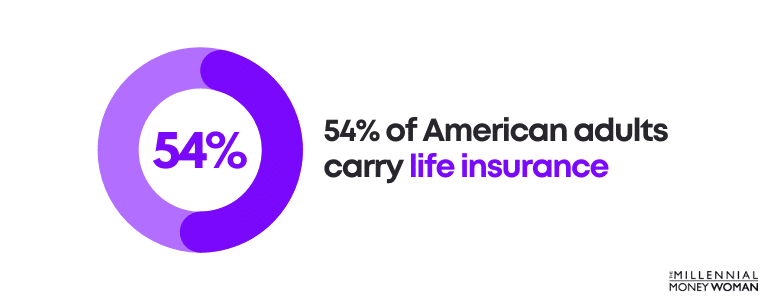
Yet, only 54% of American adults carry life insurance, and many of those adults often don't carry enough life insurance.
The fact of the matter is this: Not all life insurance is created equally.
There are indeed some life insurance types that probably aren't in your best interest (I'm thinking whole life insurance ).
Then again, there are other forms of life insurance policies that likely are in your best interest – like level term life insurance.
Level term life insurance is the cheapest and simplest type of life insurance, which is why it often makes sense to purchase for young professionals and millennials.
Why?
Because young professionals and millennials are typically:
- At their healthiest
- Don't have $1000's to spend on fancy whole life policies
Recommended reading: how much life insurance do you need?
Keep this in mind: The younger you are, the better it is for you to obtain life insurance.
That's because you're probably healthier at 30 than you'll be at 50 or 60.
The healthier you are, the lower your premiums will be (for life).
Here are some situations when you'll want to think about getting life insurance:
- You have kids
- You have massive joint debts
- You have a partner who depends on your income
- You are young and healthy and plan to have a future family
To give you a better idea of how much a $1,000,000 life insurance policy could cost you, that would be about $14 to $20 a month, depending on your health.
Even if you're not ready to buy a life insurance policy yet, you may want to run a quote with Policygenius and see how much life insurance could cost you (and/or your partner).
Policygenius is an online life insurance marketplace that matches you with the best life insurance company.
Policygenius will guide you as you run your quotes, compare prices and ultimately talk to a representative at Policygenius to determine how you can move forward.
The Bottom Line:
If you are young, have kids, have a partner who depends on your income, or if you plan to have a family down the road, then you should strongly consider purchasing level term life insurance. Level term life insurance is the cheapest and simplest type of life insurance there is. The younger you are, the lower your premiums will be (for life).
5. Invest in Cryptocurrency
| Quick Overview | |||||||||||||||||||||||||||||||||||||||||||||||||||||||||||||||||||||||||||||||||||||||||||||||||||
|---|---|---|---|---|---|---|---|---|---|---|---|---|---|---|---|---|---|---|---|---|---|---|---|---|---|---|---|---|---|---|---|---|---|---|---|---|---|---|---|---|---|---|---|---|---|---|---|---|---|---|---|---|---|---|---|---|---|---|---|---|---|---|---|---|---|---|---|---|---|---|---|---|---|---|---|---|---|---|---|---|---|---|---|---|---|---|---|---|---|---|---|---|---|---|---|---|---|---|---|
| Risk Level | 7/10 | ||||||||||||||||||||||||||||||||||||||||||||||||||||||||||||||||||||||||||||||||||||||||||||||||||
| Who Should Do It | If you have "fun money" and can withstand the volatility of the cryptocurrency markets | ||||||||||||||||||||||||||||||||||||||||||||||||||||||||||||||||||||||||||||||||||||||||||||||||||
| Why It Makes Sense | There has been proof that those who have invested in cryptocurrency have made a lot of money. Many have lost a lot of money, too | ||||||||||||||||||||||||||||||||||||||||||||||||||||||||||||||||||||||||||||||||||||||||||||||||||
| How to Start |
| ||||||||||||||||||||||||||||||||||||||||||||||||||||||||||||||||||||||||||||||||||||||||||||||||||
| Recommended Resource | For cryptocurrency trading: Coinbase | ||||||||||||||||||||||||||||||||||||||||||||||||||||||||||||||||||||||||||||||||||||||||||||||||||
Let's say you are in a squeaky clean financial shape:
- You don't have debt
- You have life insurance
- You have a solid emergency fund
- You're investing in your retirement
- You're already investing in the stock market
… Maybe now is the time to consider investing in cryptocurrency .
Here's my full disclosure: I wasn't a major fan of investing in cryptocurrency until I learned more about it.
Now, I'm slowly getting used to the idea of investing in a digital currency and am getting more comfortable seeing the market value fluctuate so much.
That being said, take a look at some of the pros and cons of investing in cryptocurrency:
| Cryptocurrency Pros | Cryptocurrency Cons |
|---|---|
| Massive profit potential | More volatility |
| Short investment periods | Relatively new |
| Improved liquidity | Possible shortage of resources |
I'd say my biggest concern with cryptocurrency is that it's so new (literally, it just had its 10th birthday in 2019), and that it's just not yet proven.
That being said, there certainly are cryptocurrency millionaires and other success stories, which show that a cryptocurrency investment could create massive amounts of wealth for you.
So, if you're willing to take on the risk and investing all or part of your $1000 in cryptocurrency, then you may want to check out Coinbase.
Coinbase is a cryptocurrency exchange, where you can buy, sell, trade cryptocurrencies (they offer over 30+ types of crypto coins).
I really like Coinbase, it's super easy to use, and you get a free $5 worth of bitcoin .
The downside is that Coinbase does charge relatively high fees and that the customer service is not exactly the best.
My mom even signed up to Coinbase the other day and is trading cryptocurrency!
If you want to learn more about Coinbase, then check out my in-depth Coinbase review .
6. Invest in a Roth IRA
| Quick Overview | |||||||||||||||||||||||||||||||||||||||||||||||||||||||||||||||||||||||||||||||||||||||||||||||||||
|---|---|---|---|---|---|---|---|---|---|---|---|---|---|---|---|---|---|---|---|---|---|---|---|---|---|---|---|---|---|---|---|---|---|---|---|---|---|---|---|---|---|---|---|---|---|---|---|---|---|---|---|---|---|---|---|---|---|---|---|---|---|---|---|---|---|---|---|---|---|---|---|---|---|---|---|---|---|---|---|---|---|---|---|---|---|---|---|---|---|---|---|---|---|---|---|---|---|---|---|
| Risk Level | 5/10 | ||||||||||||||||||||||||||||||||||||||||||||||||||||||||||||||||||||||||||||||||||||||||||||||||||
| Who Should Do It | If you have earned income and expect to be in a higher tax bracket during retirement | ||||||||||||||||||||||||||||||||||||||||||||||||||||||||||||||||||||||||||||||||||||||||||||||||||
| Why It Makes Sense | If you expect to be in a higher tax bracket when you withdraw money, you should consider investing in a Roth IRA | ||||||||||||||||||||||||||||||||||||||||||||||||||||||||||||||||||||||||||||||||||||||||||||||||||
| How to Start |
| ||||||||||||||||||||||||||||||||||||||||||||||||||||||||||||||||||||||||||||||||||||||||||||||||||
| Recommended Resource | M1 Finance | ||||||||||||||||||||||||||||||||||||||||||||||||||||||||||||||||||||||||||||||||||||||||||||||||||
Roth IRAs are an awesome way to invest – on a tax-advantaged basis – for your retirement.
You would qualify to contribute to a Roth IRA if you:
- Have earned income
- Are 18 years or older
- If you are under 50, you can contribute up to a maximum of $6,000
- If you are 50 or older, you can contribute up to a maximum of $7,000
- Earn less than a certain amount in 2021
Make sure you understand the difference between contributions and investment profits.
There are much stricter guidelines when it comes to withdrawing investment profits – and if you withdraw investment profits without following the guidelines, you may incur taxes and/or penalties.
Now, if you're ready to pull the trigger and invest your $1000 into a Roth IRA, you may want to consider opening a Roth IRA with M1 Finance.
M1 Finance offers customized investment portfolios (also known as "pies").
The minimum investment with M1 Finance is $100, and the platform charges $0 in trading fees or money management fees.
Below is an example of how M1 Finance's custom pies will look for you:
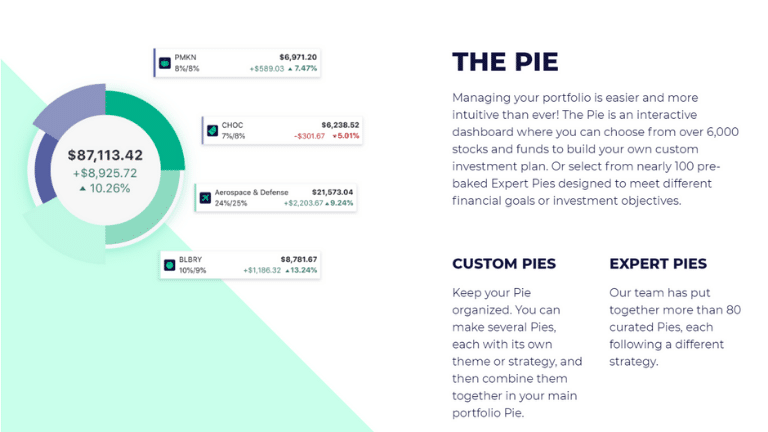
You'll be able to select your investments from 6,000+ stocks and funds.
7. Invest in Real Estate Crowdfunding
| Quick Overview | |||||||||||||||||||||||||||||||||||||||||||||||||||||||||||||||||||||||||||||||||||||||||||||||||||
|---|---|---|---|---|---|---|---|---|---|---|---|---|---|---|---|---|---|---|---|---|---|---|---|---|---|---|---|---|---|---|---|---|---|---|---|---|---|---|---|---|---|---|---|---|---|---|---|---|---|---|---|---|---|---|---|---|---|---|---|---|---|---|---|---|---|---|---|---|---|---|---|---|---|---|---|---|---|---|---|---|---|---|---|---|---|---|---|---|---|---|---|---|---|---|---|---|---|---|---|
| Risk Level | 7/10 | ||||||||||||||||||||||||||||||||||||||||||||||||||||||||||||||||||||||||||||||||||||||||||||||||||
| Who Should Do It | If you have extra money, want to diversify your investments and want to earn a passive income stream | ||||||||||||||||||||||||||||||||||||||||||||||||||||||||||||||||||||||||||||||||||||||||||||||||||
| Why It Makes Sense | Real estate crowdfunding could help you earn a high return, passive income , and diversify your portfolio | ||||||||||||||||||||||||||||||||||||||||||||||||||||||||||||||||||||||||||||||||||||||||||||||||||
| How to Start |
| ||||||||||||||||||||||||||||||||||||||||||||||||||||||||||||||||||||||||||||||||||||||||||||||||||
| Recommended Resource | - Invest in real estate with a $10 minimum: GROUNDFLOOR - Invest in private real estate investment trusts: Fundrise | ||||||||||||||||||||||||||||||||||||||||||||||||||||||||||||||||||||||||||||||||||||||||||||||||||
Real estate investments are often left to the exclusive, high-roller club.
These are the guys that have $100,000's or $1,000,000's to spend on property deals.
With real estate crowdfunding, the tables have turned – and anyone can start investing in real estate .
If your financial situation is buttoned up, you've paid off your debt, have a solid emergency savings fund, are actively saving for retirement and you want to figure out how to diversify your portfolio, you may want to consider investing in real estate crowdfunding apps.
Essentially, you are the bank – and you know how much money banks can make when they lend out money. Now, you have the chance to make money!
Think of crowdfunding apps like matchmaking apps: They match people who need money with people who are looking for a spicy return on their investment (you).
Typically speaking, crowdfunding is fairly risky because of the following reasons:
- You might never see your money again
- Your money is locked up for months (or even years) at a time
I've listed a few additional pros and cons for real estate crowdfunding:
| Real Estate Crowdfunding Pros | Real Estate Crowdfunding Cons |
|---|---|
| Invest in individual properties without having to manage the properties | Higher risk |
| You can diversify your portfolio | Illiquid |
| High-profit potential | You may not see profits until years after you originally invested |
| Potential for passive income | Many real estate deals are typically restricted to accredited investors |
If you're still up for investing in real estate, then I'd suggest checking out GROUNDFLOOR first.
The reason why I'm a fan of GROUNDFLOOR, is because you only need $10 to start investing, and your average returns will typically be around 10.5%.
GROUNDFLOOR typically invests your money in:
- New construction projects
- Renovation or "flipping" projects
Another popular real estate crowdfunding app is Fundrise.
Fundrise is a private REIT (aka real estate investment trust), where you'll need a minimum investment of $10.
The average returns are slightly higher than with GROUNDFLOOR, ranging up to 12.42%.
As with all higher-return / higher-risk investments, make sure you do your research before you financially commit.
FAQs
What should I invest $1000 in?
If you're looking to invest $1,000, then you may want to consider some of the following suggestions:
- Roth IRA
- Cryptocurrency
- The stock market
- Term life insurance
- Emergency savings fund
- Real estate crowdfunding
- High-interest credit card debt
These are just some of the ways you can optimize a $1,000 investment.
How can I invest 1000 dollars for a quick return?
If you want a quick return on your money, then you'll likely incur a higher risk when you invest your $1,000.
Here's how you can invest 1000 dollars for a quick return:
- Start day trading
- Invest in a single stock
- Invest in your education
- Consider flipping real estate
- Invest with real estate crowdfunding
- Store your cryptocurrency with BlockFi
- Start trading cryptocurrency with Coinbase
If you're prepared to live with more risk in exchange for a quick return, then you should consider the strategies listed above.
How can I double my 1000 dollars?
It's important to understand that doubling $1,000 will very likely take time and patience.
Below are strategies you could use to potentially double your $1,000:
- Invest in cryptocurrency
- Invest in your education
- Invest in your own business
- Invest in real estate for a passive income
- Invest in your 401k to receive the employer matching contribution
If you want to know how you can double your money since yesterday, I'm going to warn you that there are going to be a lot of risks involved and you may lose your money.
How should a beginner invest $1000?
If you're a beginner and have a spare $1,000 to invest, there are several ways you could invest your cash to optimize your return.
Some of those strategies include:
- Invest in your education
- Pay off high-interest debt
- Increase your emergency savings fund
- Invest in real estate crowdfunding apps
- Invest in cryptocurrency by opening an account with Coinbase
- Invest in the stock market by opening an account with M1 Finance
There are many options you can pursue to invest your $1,000 – these are simply just some ideas.
How to Invest 1000 Dollars: The Bottom Line
Before you receive an unexpected chunk of money – like a $1000 bonus check – it's a good idea to create a plan, so you don't just spend the money.
Remember that most people go broke – or at minimum never invest their extra money – after coming into unexpected cash.
Don't be like the average individual who spends their money the second they see it enter their bank accounts.
An effective way to optimize your money could be to:
- Understand your short term financial goals
- Understand your long term financial goals
- Create an according game plan
Once I have my game plan in place, all I need is the $1,000 (or more!) extra dollars and start investing in some of the following opportunities:
- Invest in my business
- Invest in my education
- Pay off high-interest debt
- Open an emergency savings fund
- Invest in cryptocurrency with Coinbase
- Invest in the stock market with M1 Finance
- Invest in term life insurance through Policygenius
- Invest in real estate crowdfunding with apps like GROUNDFLOOR
Ultimately, it's up to you to figure out your short financial term and long-term financial goals and optimize your $1,000 to make the best of your financial situation.
Keep this in mind: The worst thing you can do is to not have a game plan.
Your bank accounts will thank me later.
What would you do with an extra $1,000? Let me know in the comments below.

Fiona Smith
Fiona Smith is the founder of The Millennial Money Woman. She holds her Master of Science Degree in Personal Financial Planning and has co-founded a local non-profit community teaching financial literacy. She is the author of the personal finance book How to Get Rich from Nothing and her work is featured on Forbes, Oberlo, and FinCon.
Sign up for free access to Fiona's latest financial tips, wealth-building strategies, investing guides, millionaire planning, and much more.
How To Make Money With 1000 Dollars
Source: https://themillennialmoneywoman.com/how-to-invest-1000-dollars/
Posted by: renardsairch.blogspot.com
2 thoughts on "How to Invest 1000 Dollars: 7 NEW Strategies (2021)"
It's quite amazing just how easy it is to make risk-free returns when all you have to do is pay high interest rate debt. Instead of earning 5 – 10% on the stock market through risky investments, you can earn that completely and utterly risk free by paying off debt, how great is that?!
That's exactly right! Paying off high interest debt is one of the first things I recommend anyone to do. High interest debt can be devastating to one's financial picture. Thanks for sharing!